

From Nomex® to Performance Fabrics: The Evolution of FR Workwear
Explore the history of FR workwear, from Nomex to cotton blends and high-performance fabrics and how it shaped workplace safety culture.
Skip to content
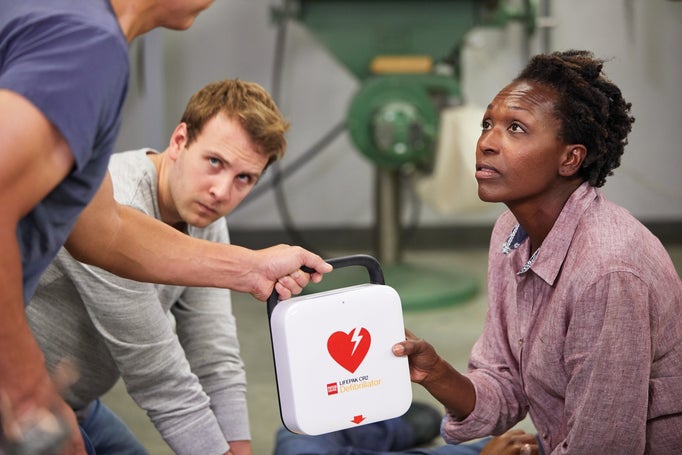
Create a Safer Work Environment with First Aid Training
Accidents, illnesses, medical emergencies — they happen in the workplace. Largely without any warning. Knowing what to do and how to do it in these situations is critical — and the best way to prepare for the unexpected is to expect it.
According to the National Safety Council’s analysis of the latest Bureau of Labor Statistics (BLS) data, private-industry employers surveyed in the United States reported 2.5 million nonfatal workplace injuries and illnesses in 20241.
First aid training in the workplace gives your employees the best chance of a successful outcome when faced with a medical emergency.
First Aid Training = Faster Response
Medical emergencies don’t occur on a planned schedule. They happen out-of-the-blue. Even though you can’t plan when a fall or cardiac arrest will take place, you can prepare for them by understanding what to do until emergency services arrives.
Properly trained individuals can administer immediate CPR, use automated external defibrillators (AED), control bleeding or clear airways in a choking situation. And that fast response time can have a big impact on outcomes.
First aid training can also be invaluable in the case of minor illnesses or injuries such as burns, sprains, lacerations or eye injuries. While not life threatening, injuries like these can keep employees away from work resulting in a loss of productivity. The BLS reports that in 2024, there were 888,100 reported cases involving days away from work, with sprains, strains and tears accounting for more than half of those cases2. Days away from work cost employers money. In 2025, the cost of job injuries and illnesses was estimated at $174 billion to $348 billion a year3.
First Aid Training = Better Outcomes
When first aid is administered in a timely fashion, lives can be saved and long term complications can be lessened.
Trained employees are better equipped to:
In addition to addressing a medical situation at the personal level, first aid training helps:
Anatomy of Successful First Aid Training
To be effective, first aid training needs to be able to be replicated in real life scenarios. Textbook lessons alone don’t provide the same hands-on confidence as instructor-led classes.
Vestis® offers first aid training in CPR, AED and basic first aid. CPR courses combine classroom learning with practice work on mannequins that mimic a real person. AED training helps ensure that users understand how to effectively use the AEDs in their building. Basic first aid empowers individuals to know what to do in the case of falls, burns or other office injuries or illnesses. This course also teaches employees to know how to use the first aid supplies found in their Vestis fully managed first aid kits.
All Vestis first aid courses are taught by highly experienced professionals under the American Heart Association (AHA) guidelines. Instructors work with your employees until each participant has the confidence to use their skills in real life situations.
Vestis also provides flexible training options and various class sizes to work within your organization’s parameters. Whether it’s extending training to the whole company or a few select safety representatives, Vestis has a training option that works for you.
In-Person Instruction is led by a qualified trainer who comes to your location and provides instruction, written testing and physical application and testing. Instructors work with students to help ensure they have the knowledge, practice and confidence to use their first aid skills when it matters most.
Online learning offers organizations with multiple locations or varied schedules the ability to successfully learn first aid skills via a remote platform. The appropriate supplies such as CPR mannequins or AEDs are sent to your location for employees to practice and build confidence in abilities.
Blended learning combines remote class instruction with in-person, instructor-led, hands-on training with mannequins and equipment.
Regardless of the mode of learning, participants are AHA certified for two years after successful completion of their training. Vestis first aid training also helps high-risk organizations meet OSHA/ANSI compliance.
The Real Value of First Aid Training
First aid training in the workplace goes beyond basic safety compliance — it represents a meaningful investment in employees’ wellbeing. It has the power to save lives, limit the severity of injuries, build confidence and promote a culture rooted in care and accountability.
When employees are equipped with practical first aid skills, organizations cultivate safer environments where colleagues support one another and can respond decisively in critical moments. Ultimately, first aid training is about preparedness — because emergencies happen without warning.
Safeguard your organization against workplace emergencies. Reach out to learn more about first aid training from Vestis.
¹ National Safety Council, Workplace Injuries Down, but Hazards Persist, analysis of U.S. Bureau of Labor Statistics data, 2024, https://www.nsc.org/safety-first/bls-report-workplace-injuries-down-hazards-persist
2 U.S. Bureau of Labor Statistics, Injuries, Illnesses, and Fatalities — Cases with Days Away from Work, 2024, https://www.bls.gov/iif/
3 AFL-CIO, Death on the Job: The Toll of Neglect, 2025, https://aflcio.org/reports/dotj-2025